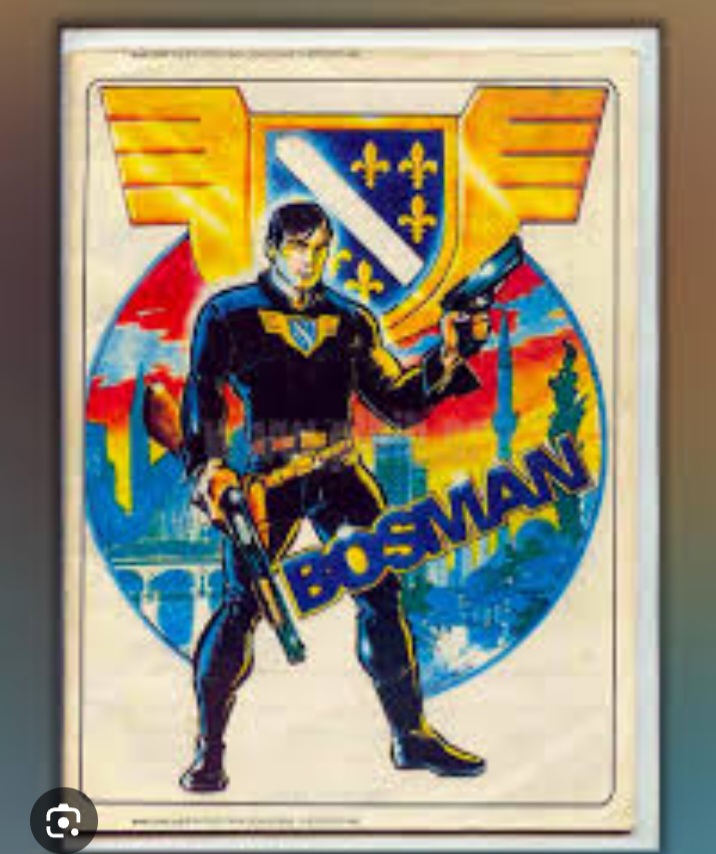
Visiting the Genocide Museum in Mostar today was deeply emotional — though sadly, not my first experience in such a place. Each one carries its own weight of sorrow, but this one in Bosnia struck a particularly tender chord. Among the many heartbreaking displays, one that stood out to me was “Bosman – the first war cartoon.”
During the siege of Sarajevo, when children were trapped in fear and darkness, a group of local artists created Bosman — a comic hero born from courage and love. It wasn’t just a cartoon; it was a lifeline of hope. Shared quietly in basements and shelters, Bosman became a symbol of resilience, showing that even in the face of horror, creativity and kindness could still flourish.
Walking through the museum, I felt the heavy silence of loss, but also an unmistakable pulse of compassion and pride. The Bosnian people radiate such warmth and love for life — it’s as though their hearts decided to rebuild where the buildings could not. Across the country, you still see abandoned houses and countless cemeteries, reminders of what was lost. Yet you don’t see the same signs of social decay so common in first-world countries — the visible struggles with mental health, drug abuse, or apathy. Instead, there’s an unspoken strength, a quiet dignity, and a deep appreciation for simple things — life, laughter, connection.
Bosman survived the war. And so did Bosnia — with heart, pride, and humanity intact.