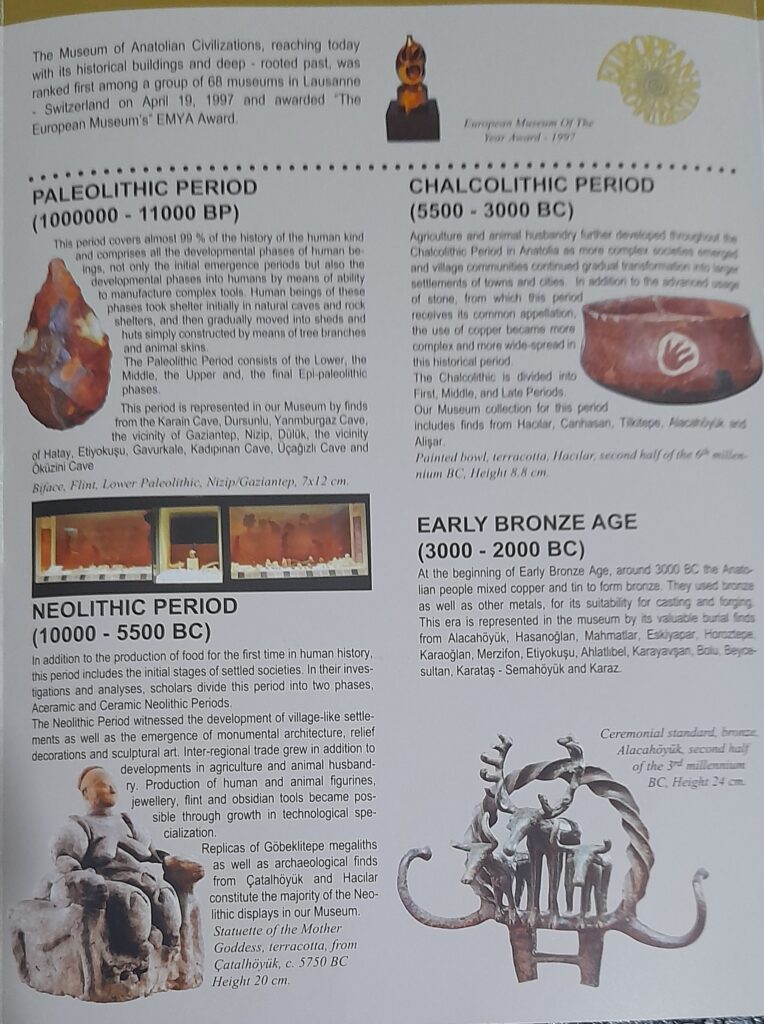
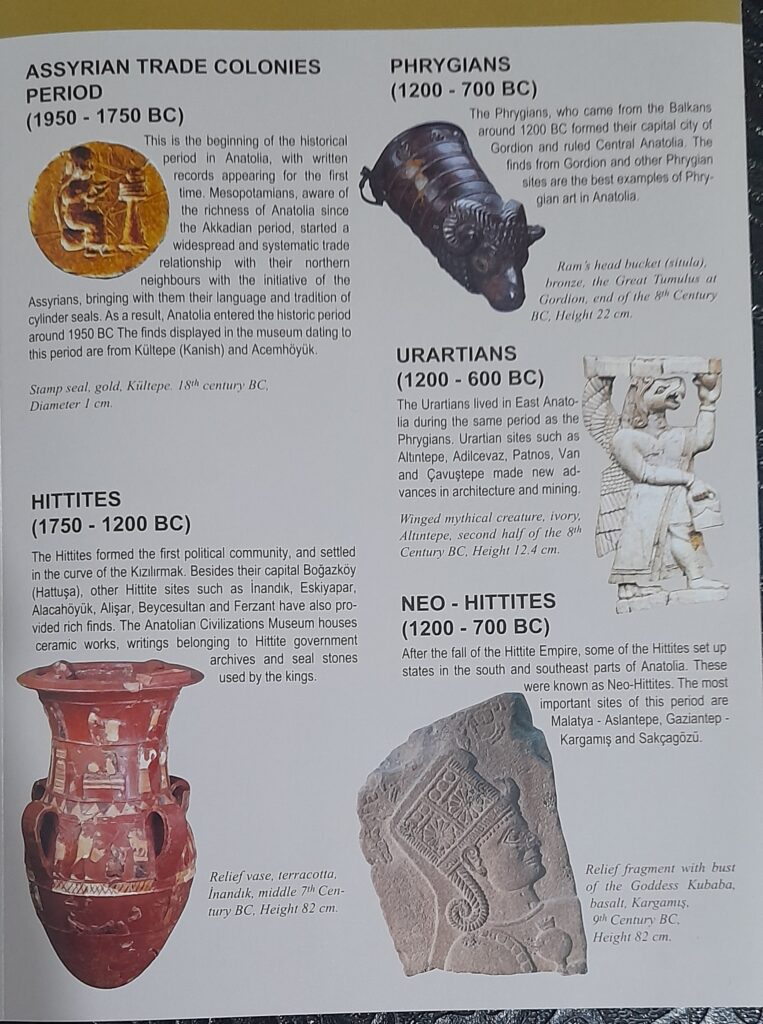
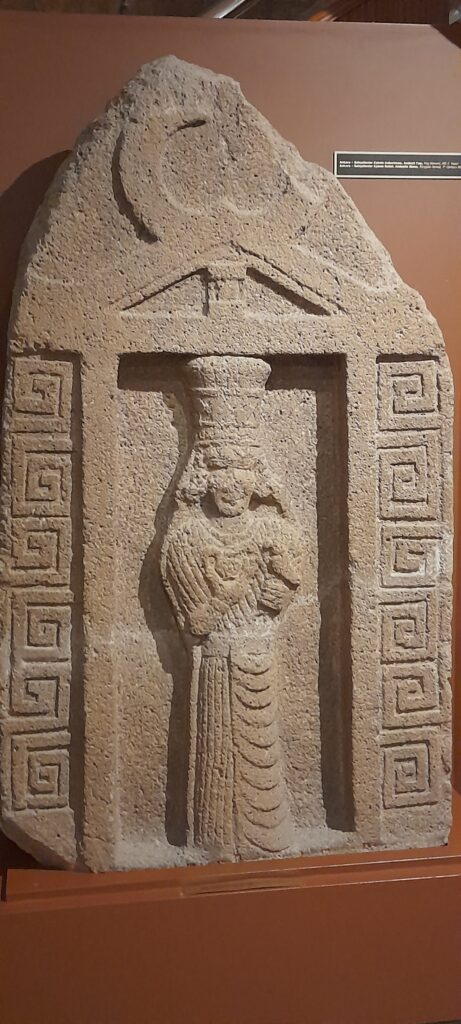
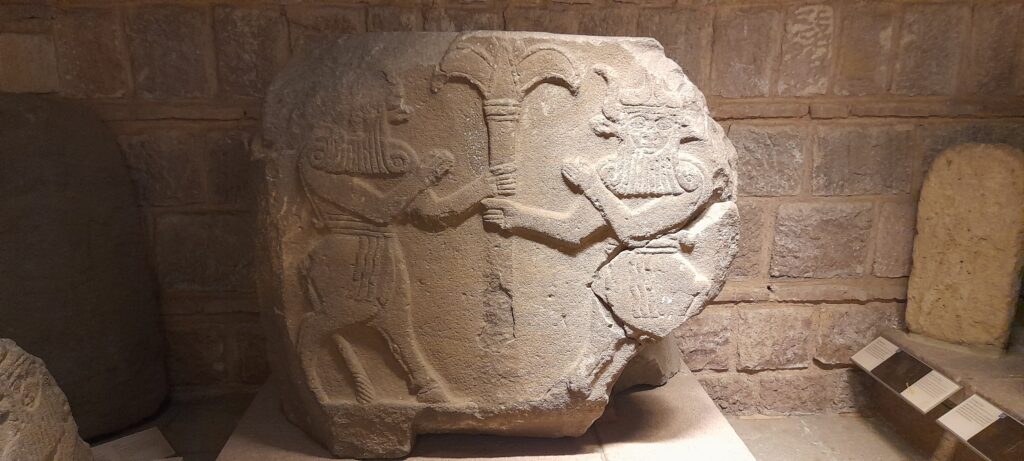
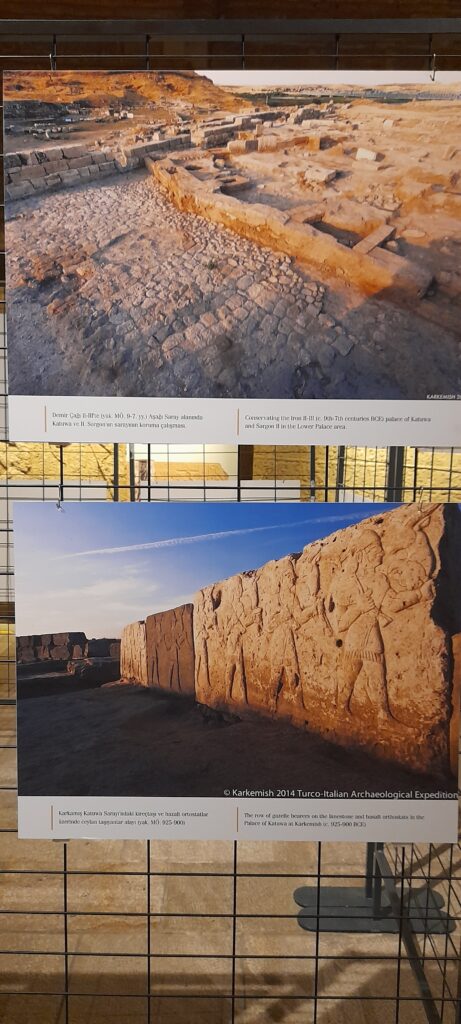
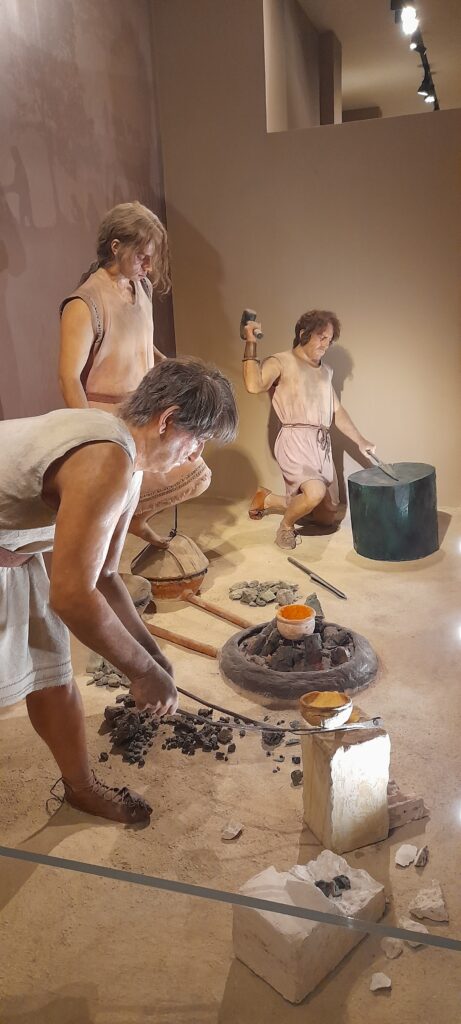
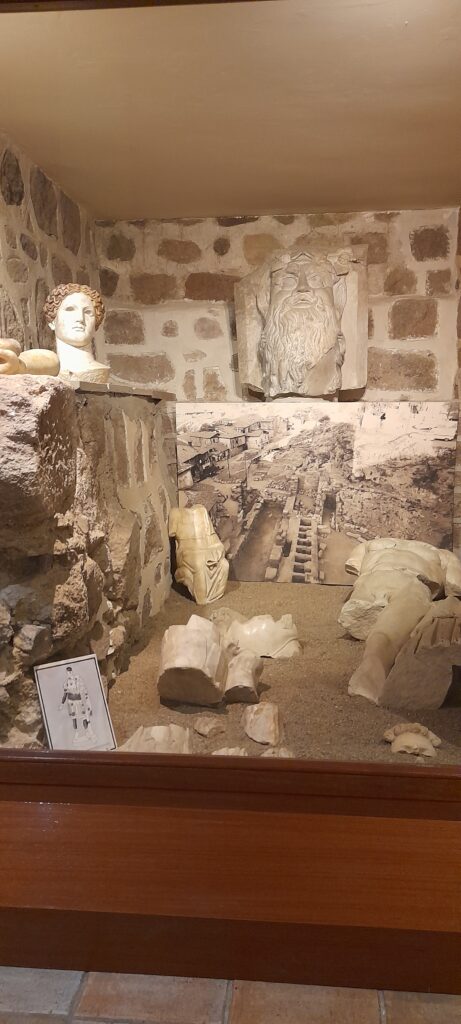
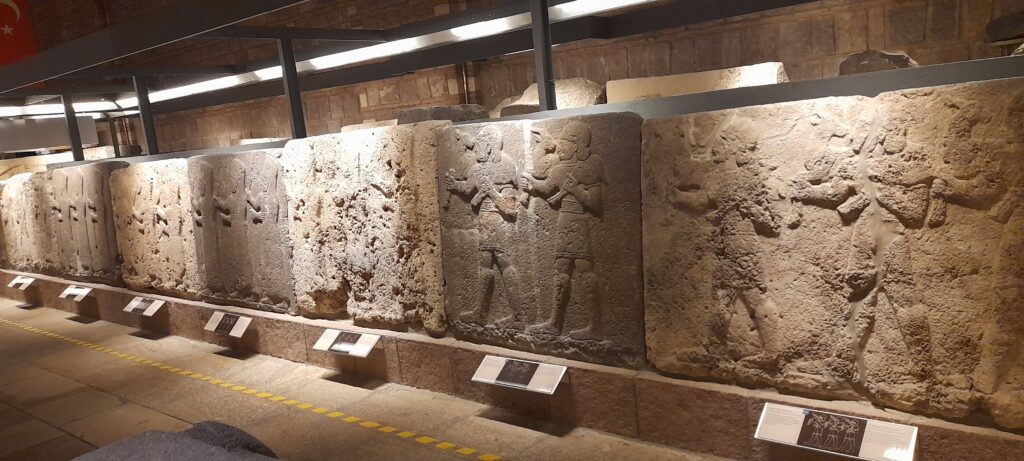
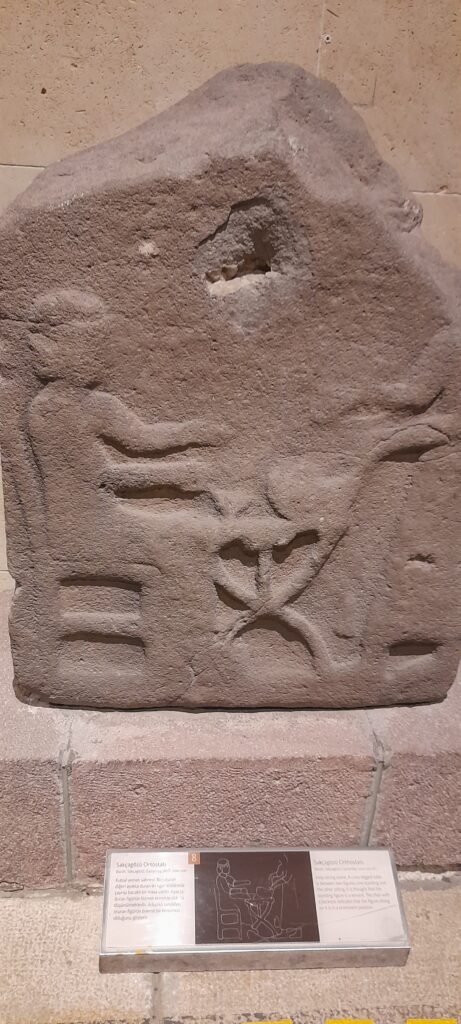
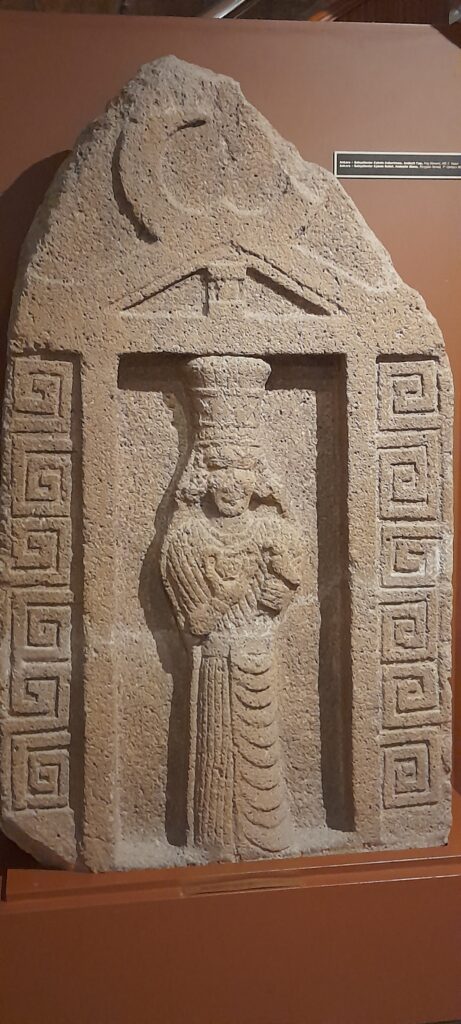
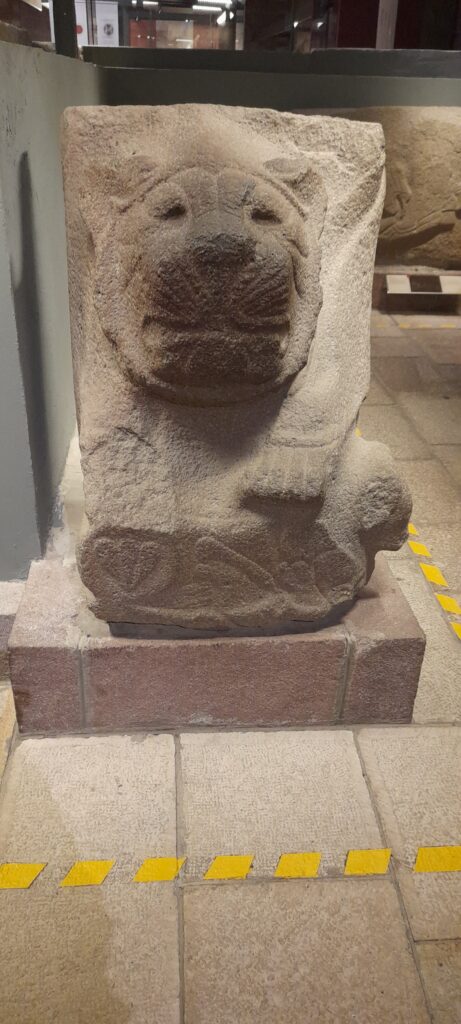
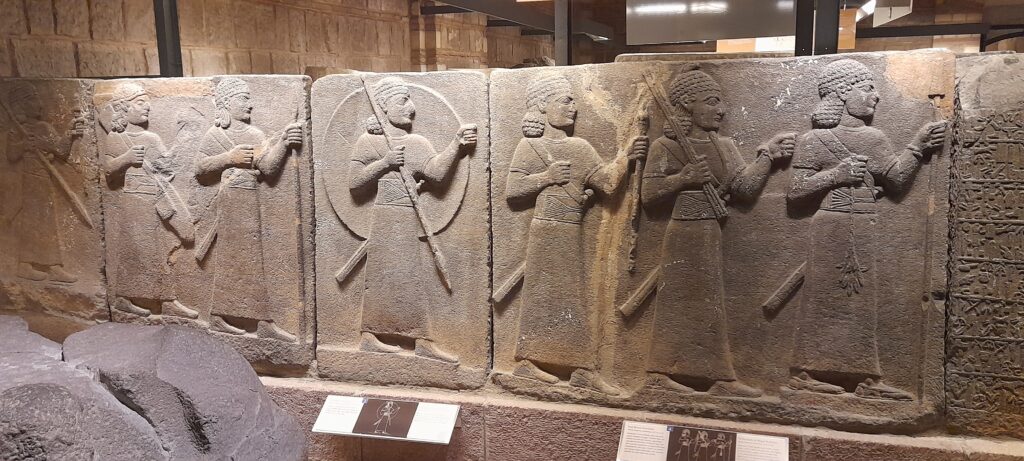
A couple of hours disappeared (as museums tend to do) inside the Museum of Anatolian Civilizations, which is basically a greatest-hits album of human history — from the Paleolithic and Neolithic periods through the Early Bronze Age, right up to powerful civilizations like the Hittites and Urartians. The museum’s collection shows how writing, trade, religion, and daily life evolved across thousands of years in Anatolia, making it one of the best places to see how early societies actually functioned.
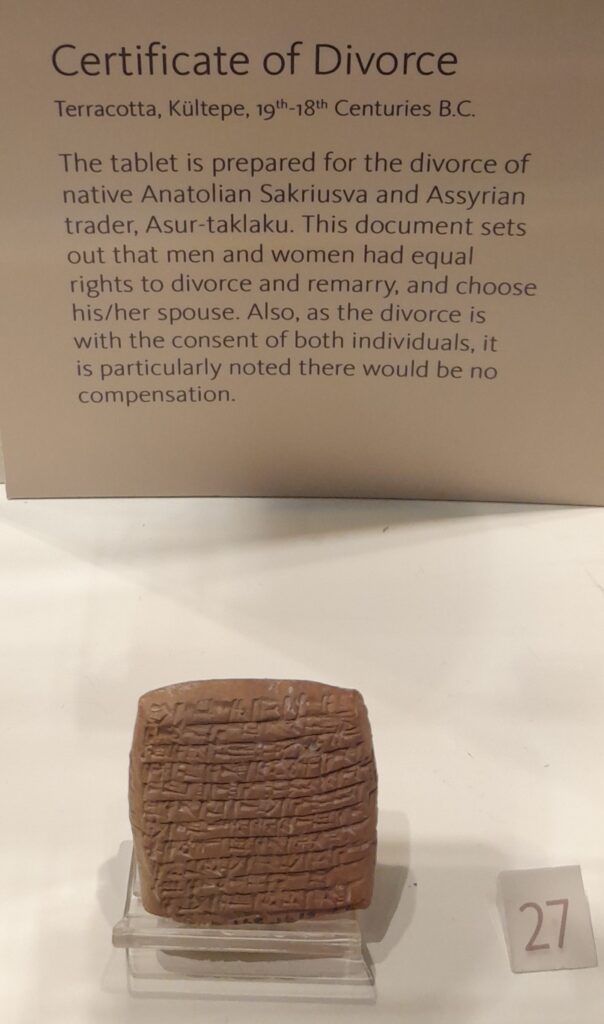
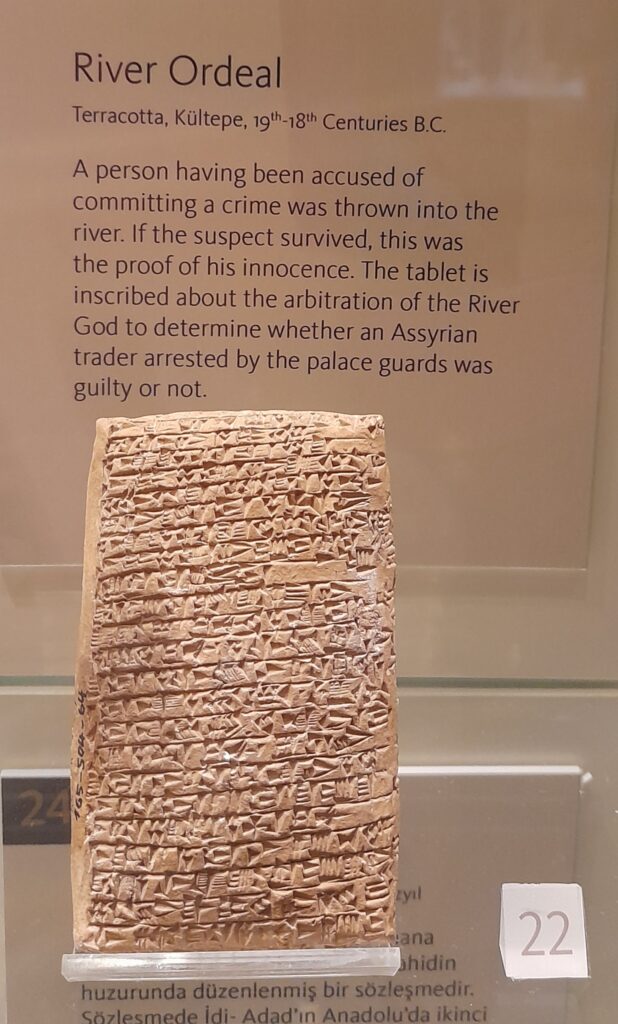
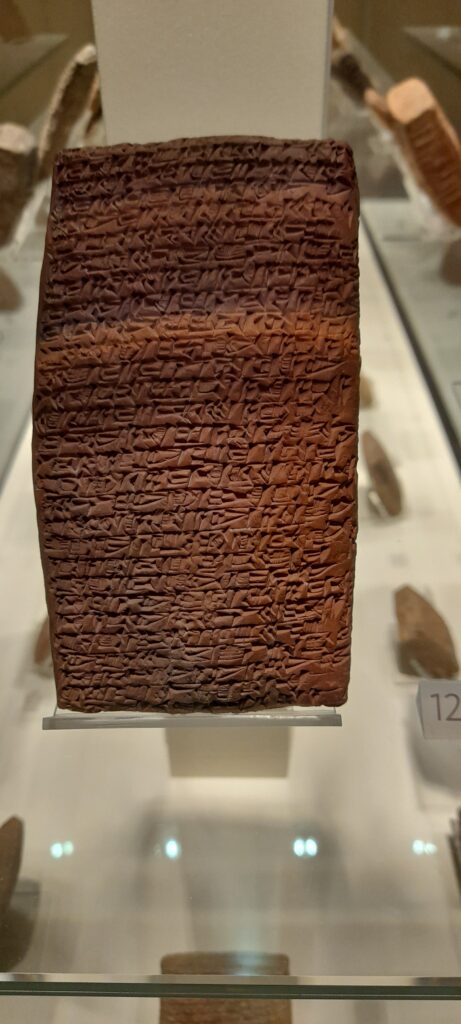
What really blew my mind were the tablets from the Assyrian Trade Colonies period (around 1950–1750 BC). These weren’t just royal records — they were everyday documents like contracts, business deals, marriage and divorce agreements, and even slave purchase records, giving a surprisingly human glimpse into life nearly 4,000 years ago. Many of these clay tablets came from trade hubs like Kültepe, where Assyrian merchants used early cuneiform writing to record loans, disputes, letters home, and commercial transactions.
Standing there, it really hit me how lucky Turkey is to have so much of its history still preserved and on display. It’s like walking through a very long family photo album — except the family is basically all of human civilization.