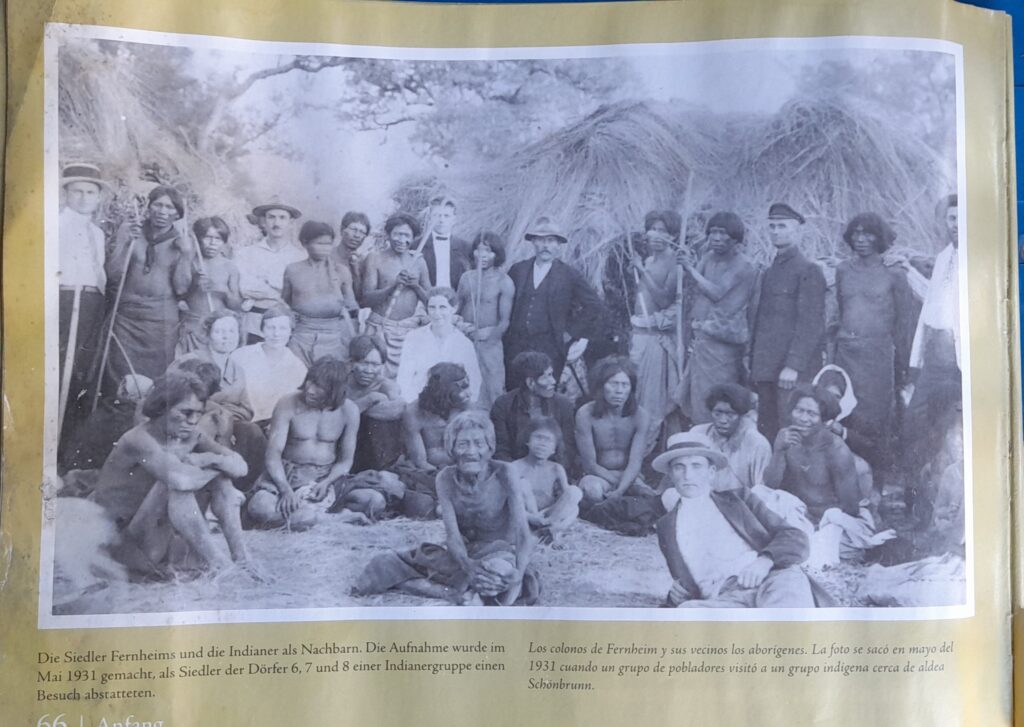
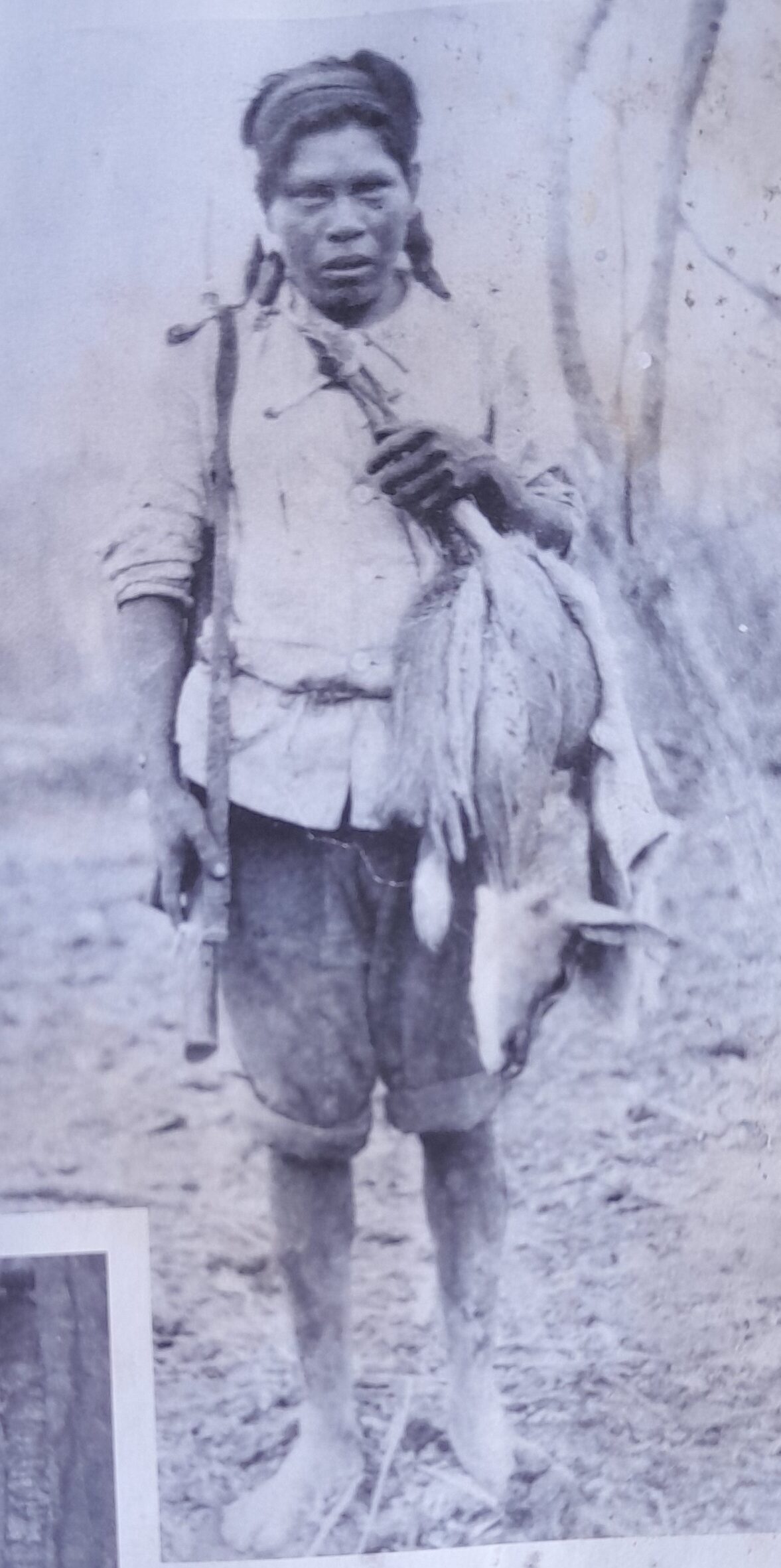
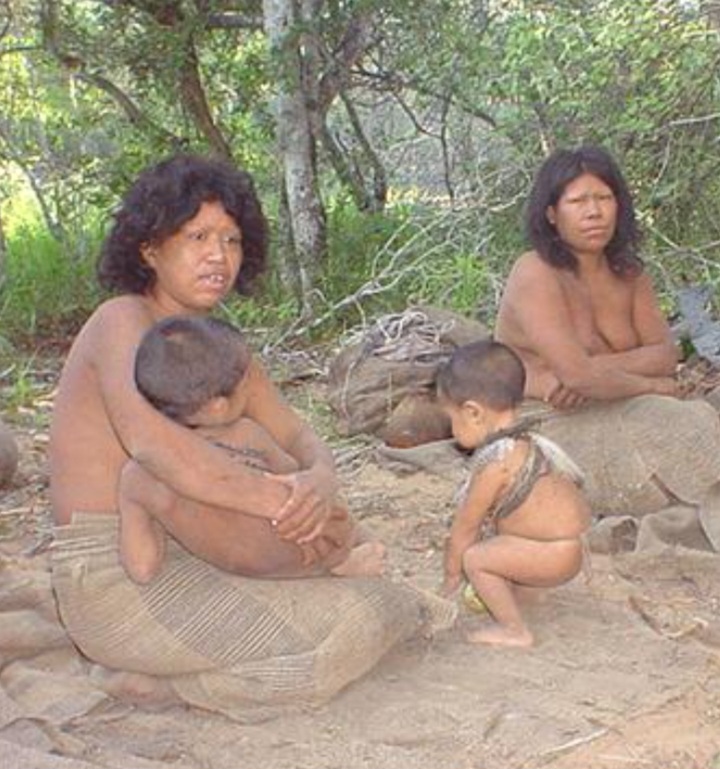
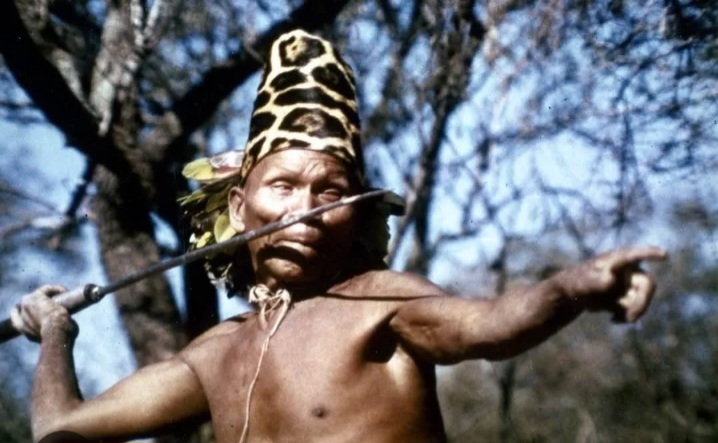
Once, the Enlhet, Nivaclé, Guaraní Occidental and Ayoreo depended heavily on the land — hunting, gathering, growing food and following the seasons.
Today, most live in urban or peri-urban communities and depend on wages from agriculture, construction, domestic work and other jobs.
The forest was once their supermarket. Now they need money to shop in one.
For the Ayoreo, the change is particularly dramatic. Imagine the forest being your home, your food cupboard, your pharmacy and your workplace — and then suddenly having to navigate permanent settlement, employment, schools and a cash economy.
This wasn’t simply a choice to “become modern”. Land loss, outside settlement, missionary influence and economic change made traditional ways of life increasingly difficult to maintain.
But their cultures haven’t disappeared.
Languages are still spoken. Crafts are made. Traditions continue. The Guaraní Occidental still celebrate Areté Guazú, while Nivaclé language and Ayoreo traditions remain important links to the past.
The challenge is not choosing between the old world and the new.
It’s finding a way to live in the modern world without losing the knowledge, language and traditions that came before it.
Because progress should open doors.
It shouldn’t require you to close the door on where you came from.