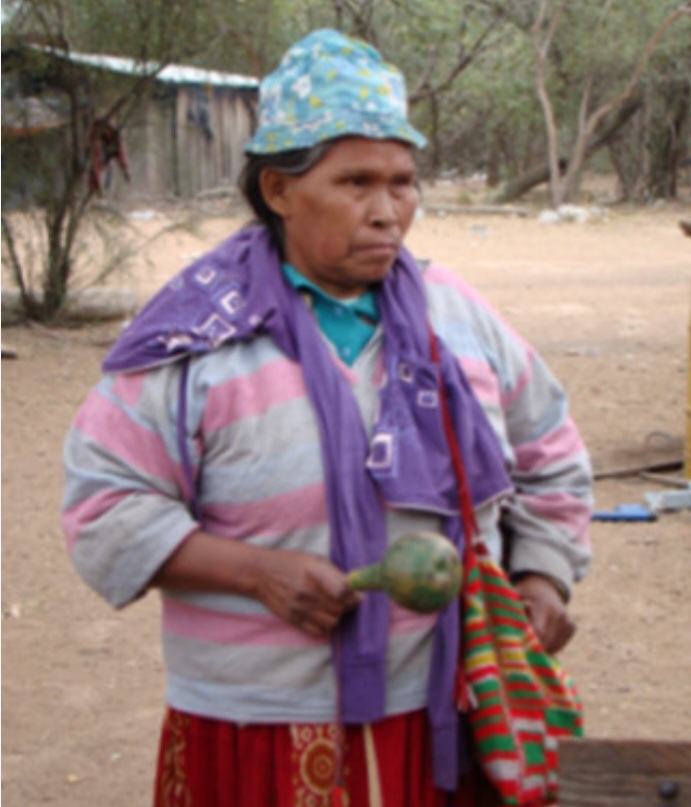
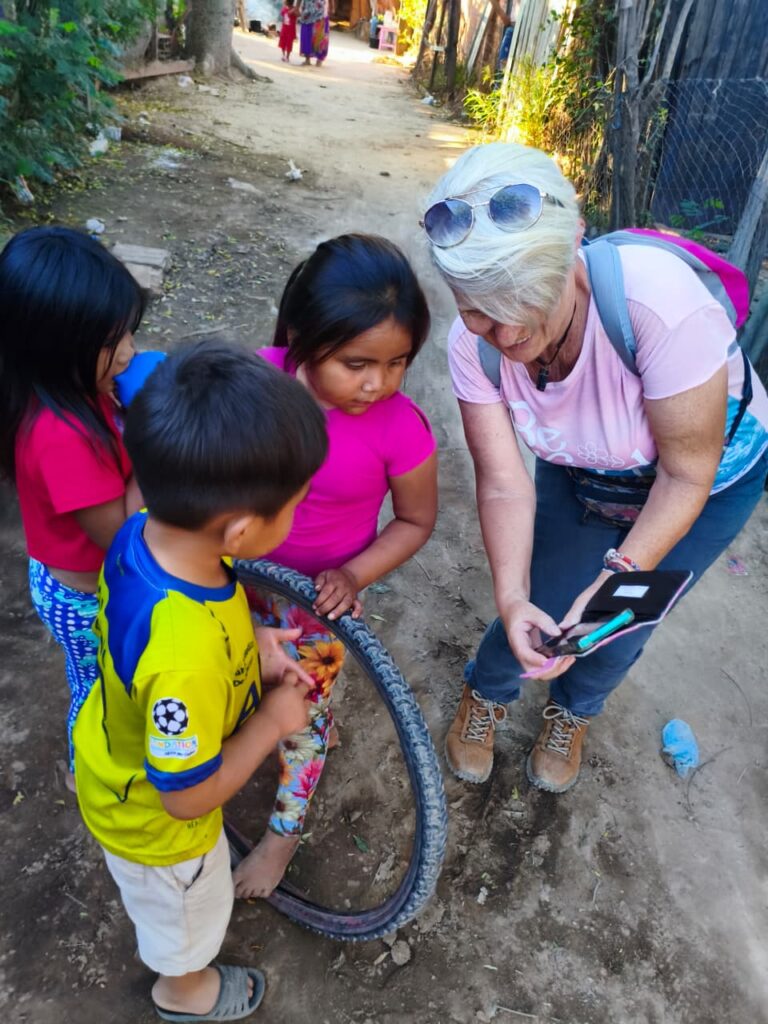
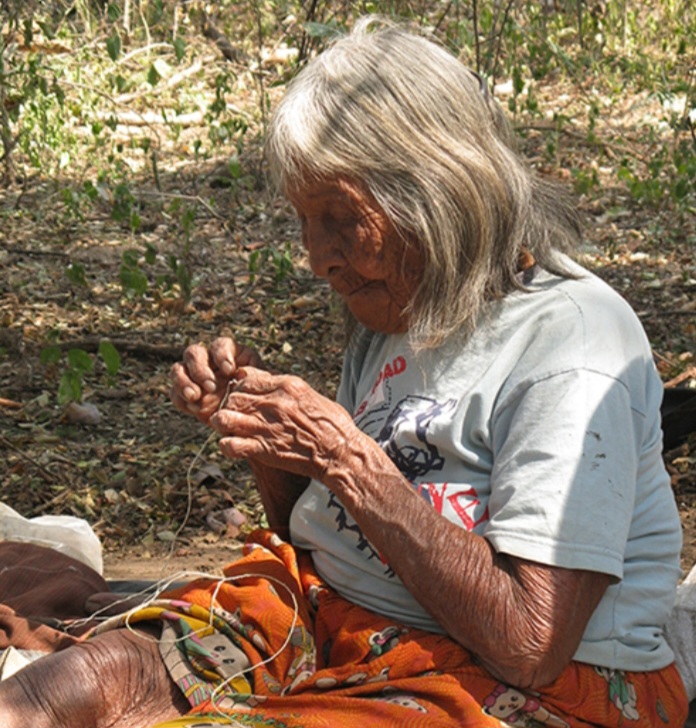
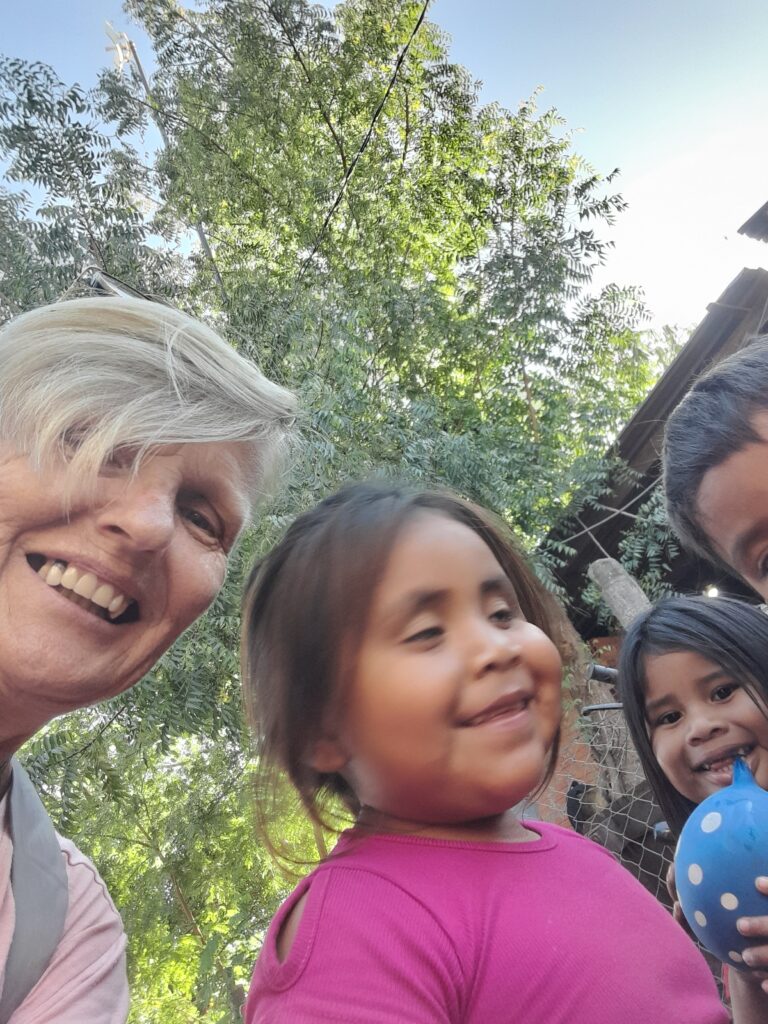
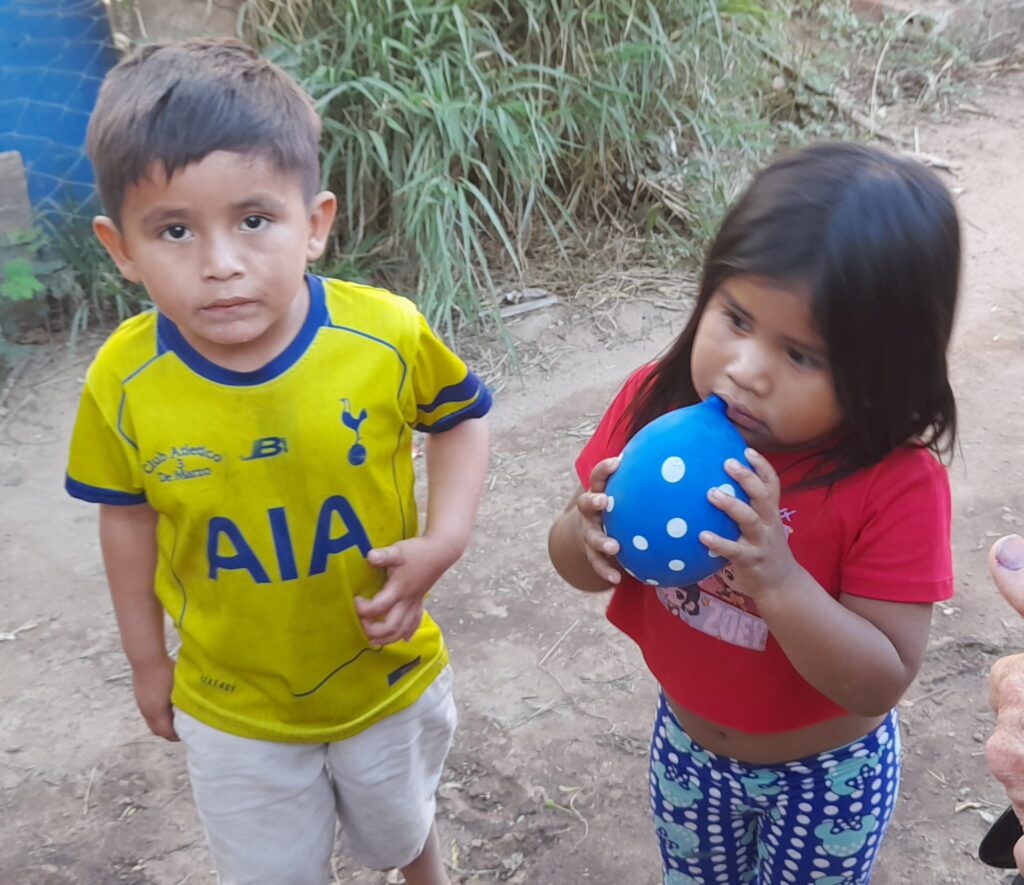
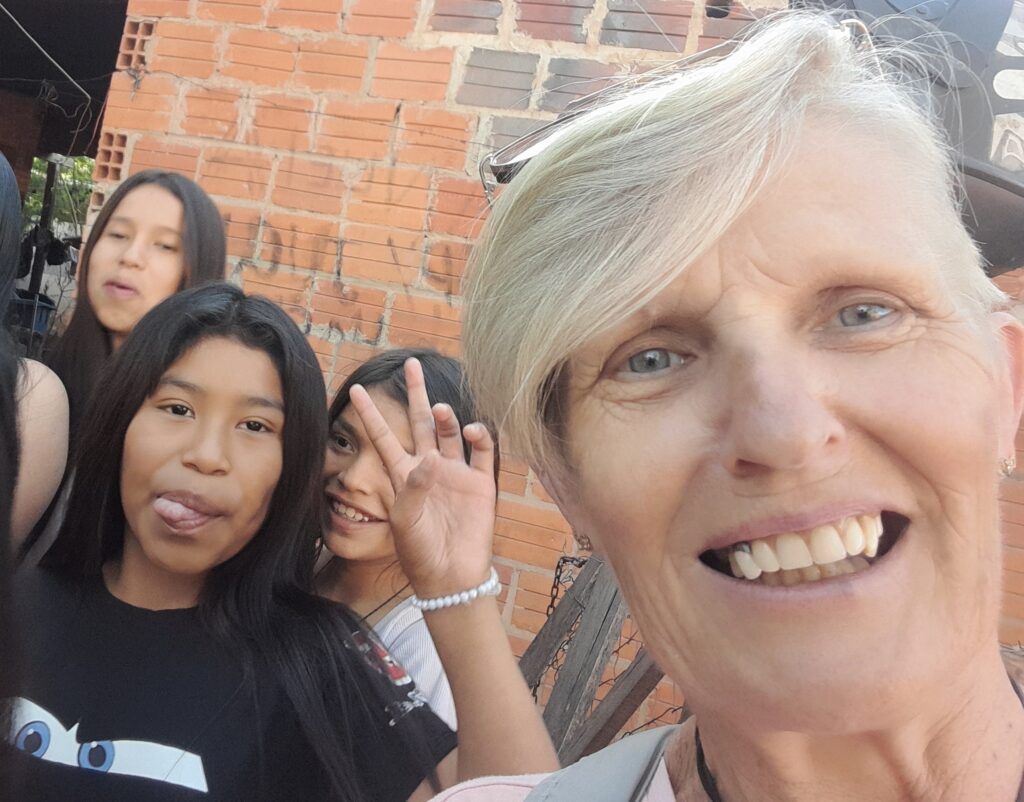
There are four main Indigenous tribes associated with Filadelfia — the Enlhet, Nivaclé, Guaraní Occidental and Ayoreo — each with their own language, history, traditions and relationship with the Chaco.
The Enlhet — the original locals
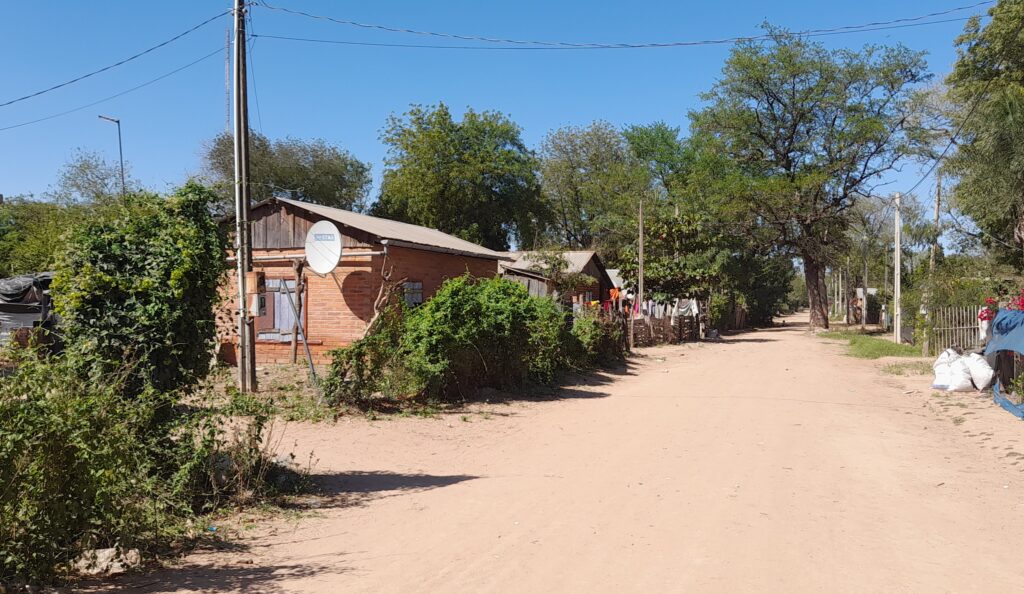
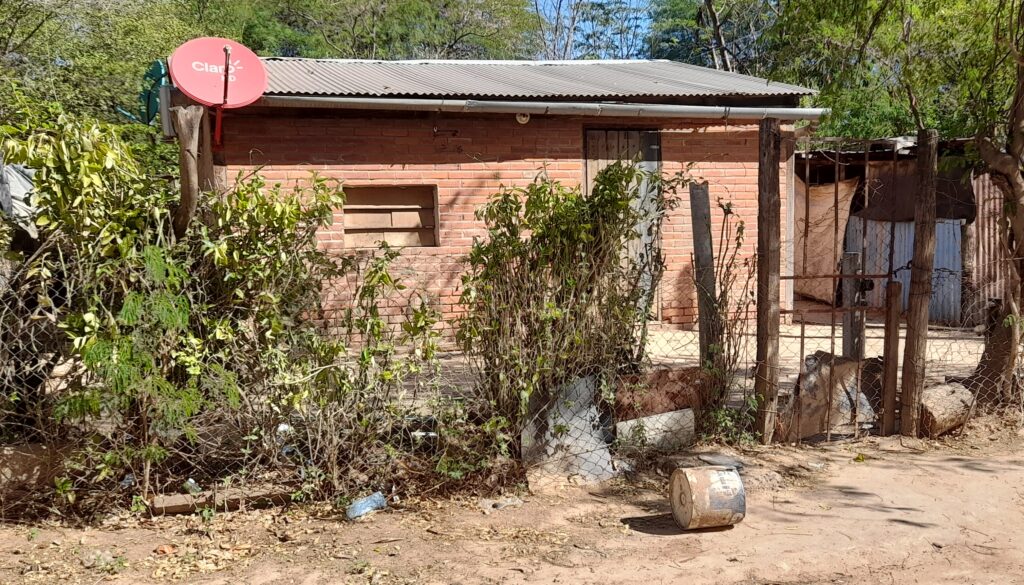
The Enlhet are the traditional people of the central Chaco around what is now Filadelfia. They were here long before the Mennonites arrived and traditionally survived as hunters and gatherers, developing an extraordinary knowledge of where to find water, food, useful plants and animals. Today many Enlhet live in Cacique Mayeto, an urban community in Filadelfia. The Mennonites were instrumental in buying land from the government for them, building a school and to this day helps with the assistance of government funding to expand the community housing.
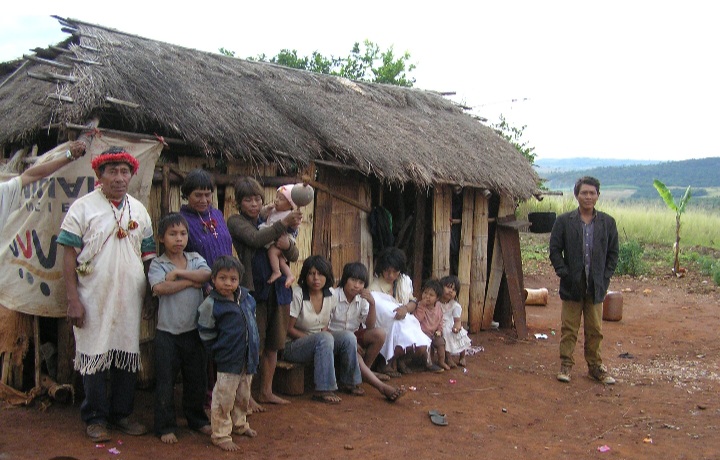
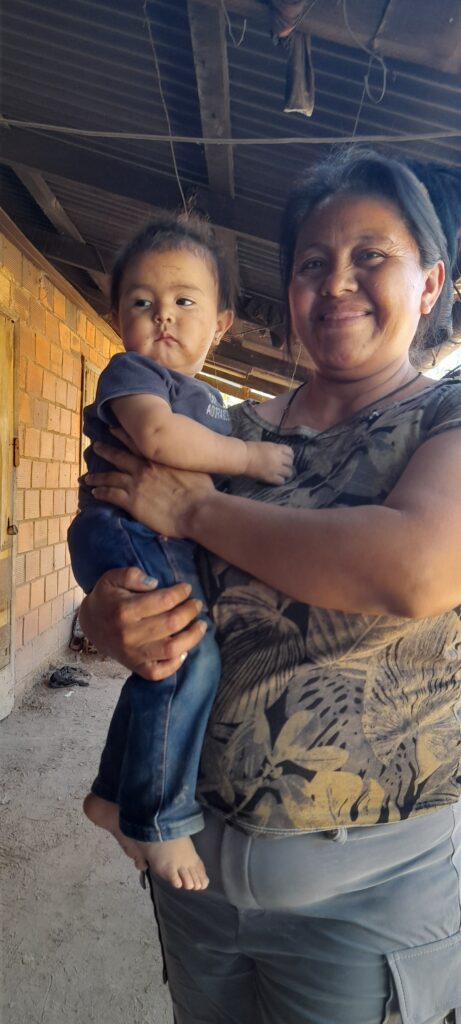
The Nivaclé — from the Pilcomayo to Filadelfia
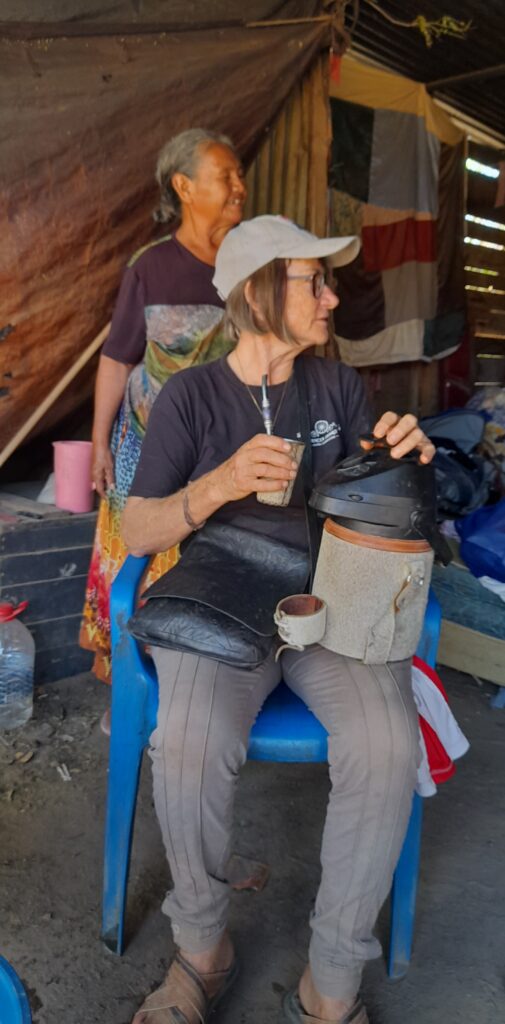
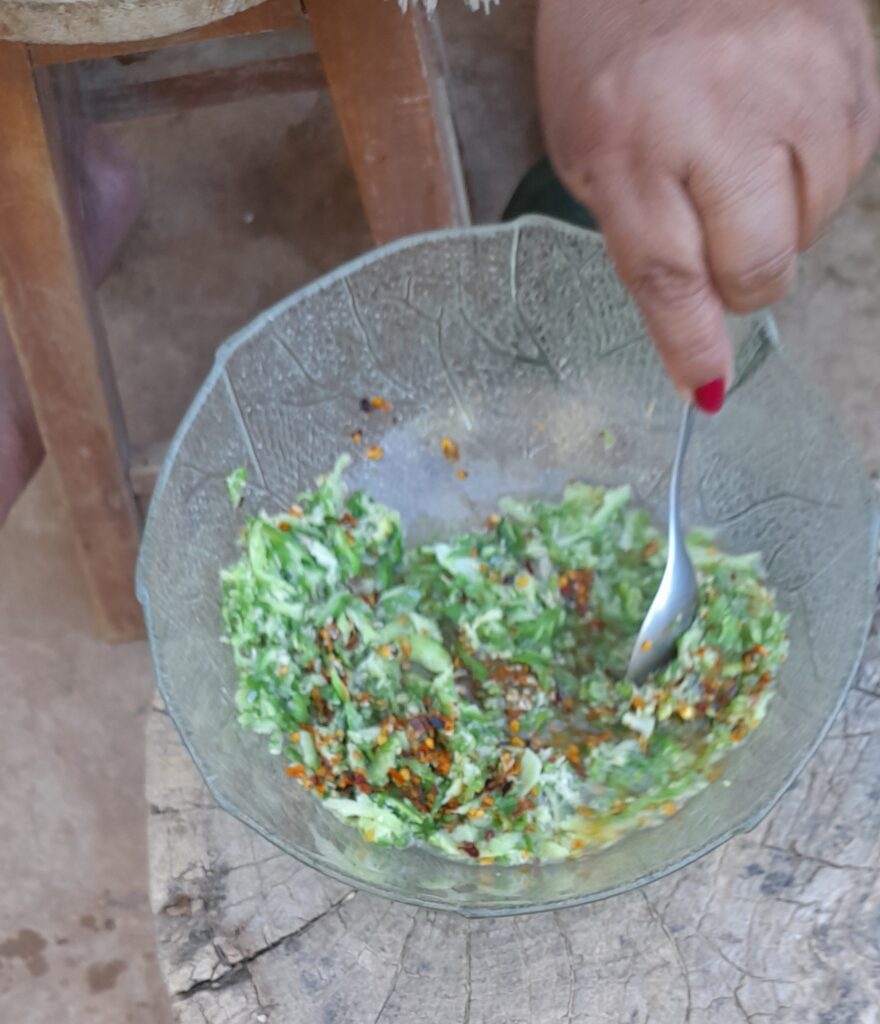
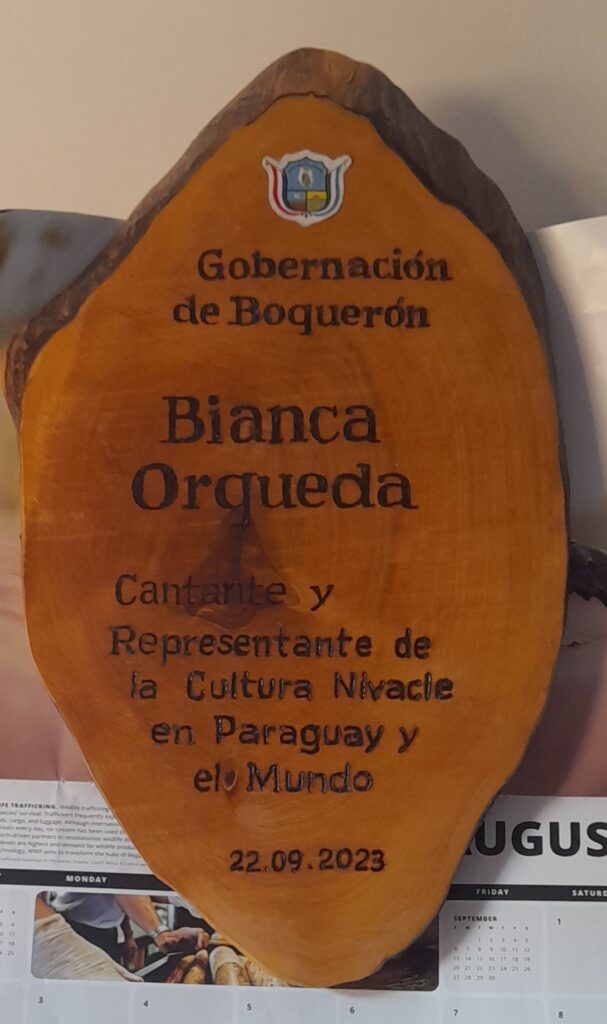
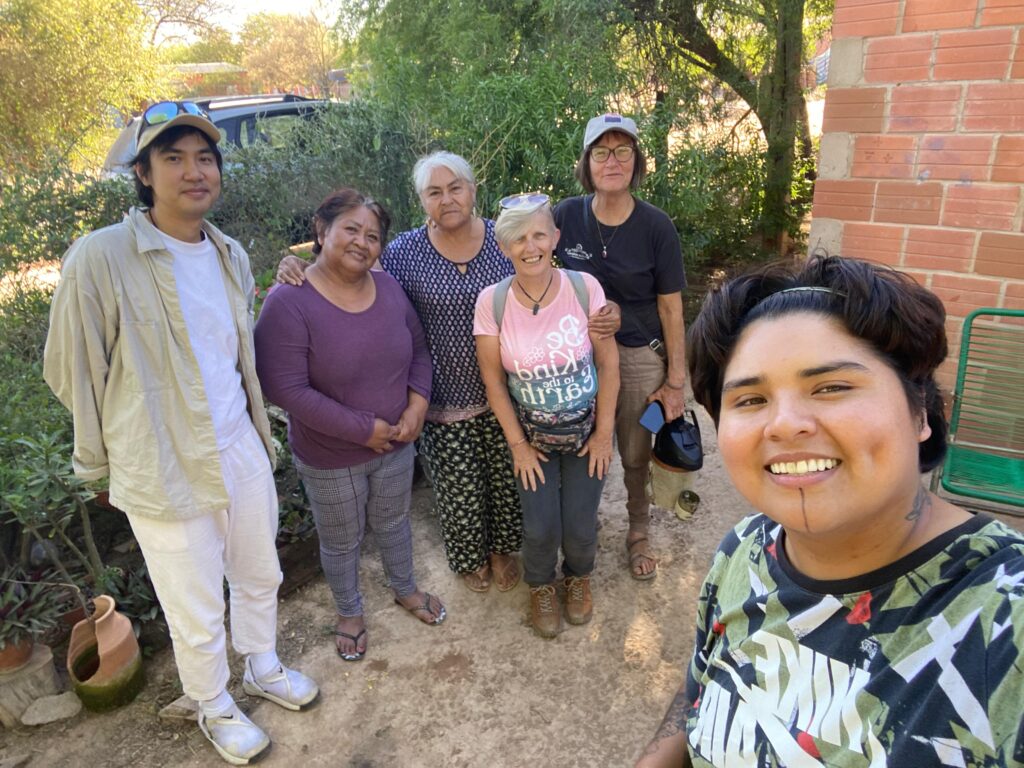
The Nivaclé traditionally had strong connections with the Pilcomayo River region, combining hunting and gathering with the resources of the river. From the 1950s, many moved towards the central Chaco looking for work, including agricultural jobs such as cotton harvesting on Mennonite farms.
Today many live in Uj’e Lhavos, one of Filadelfia’s larger Indigenous communities. Their language remains particularly strong — an important connection to their cultural identity.
The Guaraní Occidental — farmers and festival keepers
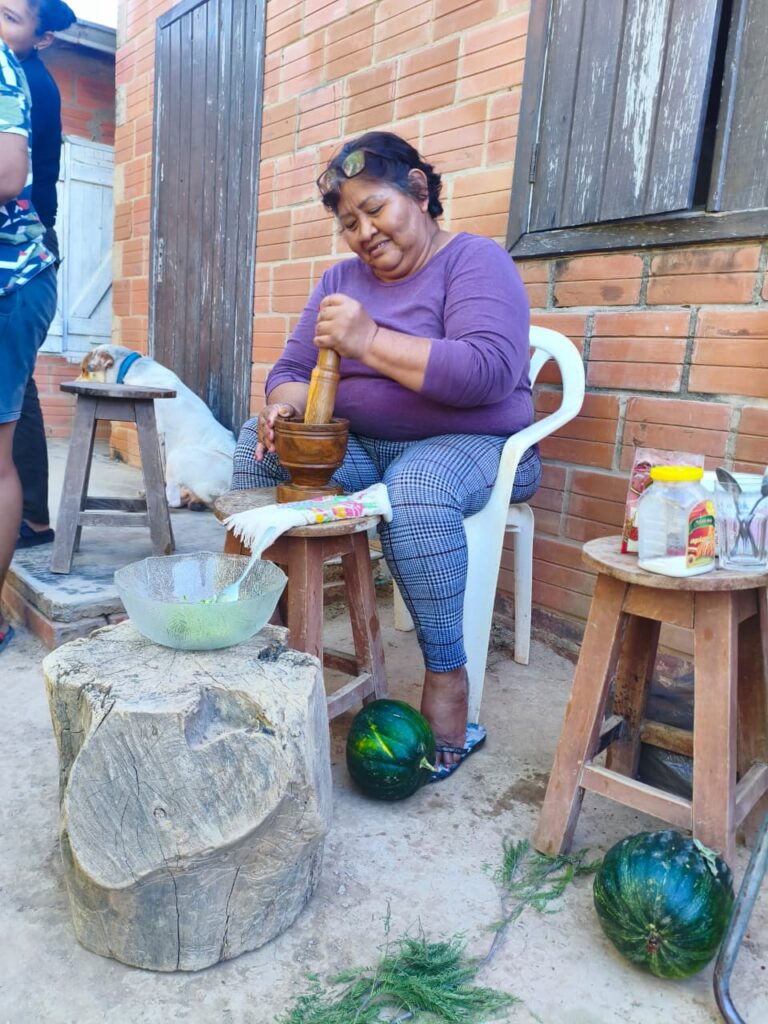
The Guaraní Occidental are part of the much wider Guaraní cultural family and traditionally had stronger connections with horticulture and agriculture.
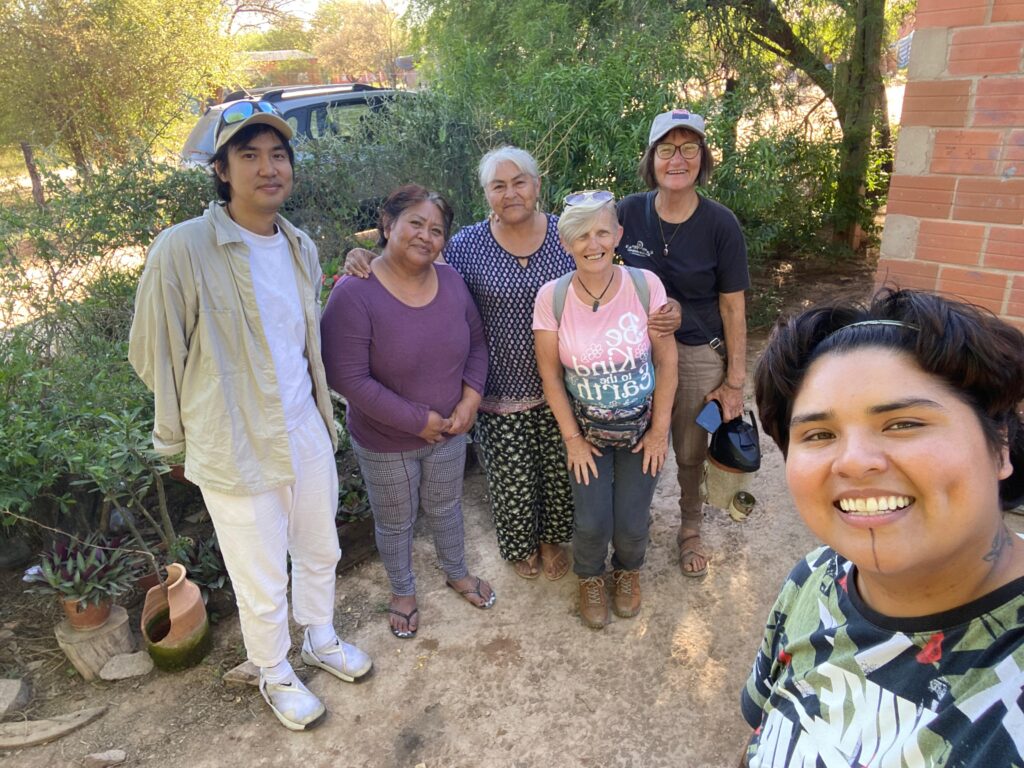
Many arrived in the Chaco later, particularly from the 1960s onwards, often seeking employment. Their Filadelfia community is centred around Yvopey Renda/Villa Guaraní.
They also continue cultural traditions such as Areté Guazú, a wonderful festival of music, dancing and costumes.
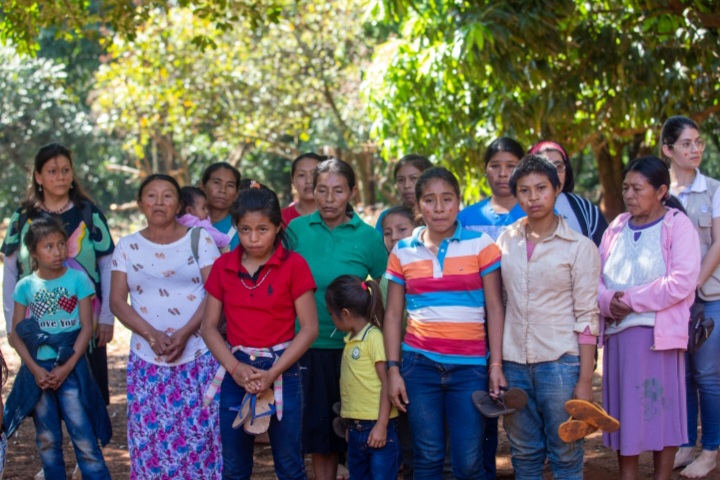
The Ayoreo — the great forest wanderers
Then there are the Ayoreo.
Of the four, they had perhaps the strongest traditional connection with the forest. They were highly mobile, semi-nomadic hunter-gatherers, hunting animals such as peccaries and armadillos, gathering honey and wild plants and practising some seasonal planting. They had much later and more difficult contact with outsiders.
Some Ayoreo groups, including Totobiegosode, still live in voluntary isolation in remaining areas of forest.
They are also known for beautiful fibre crafts, including distinctive woven bags.